
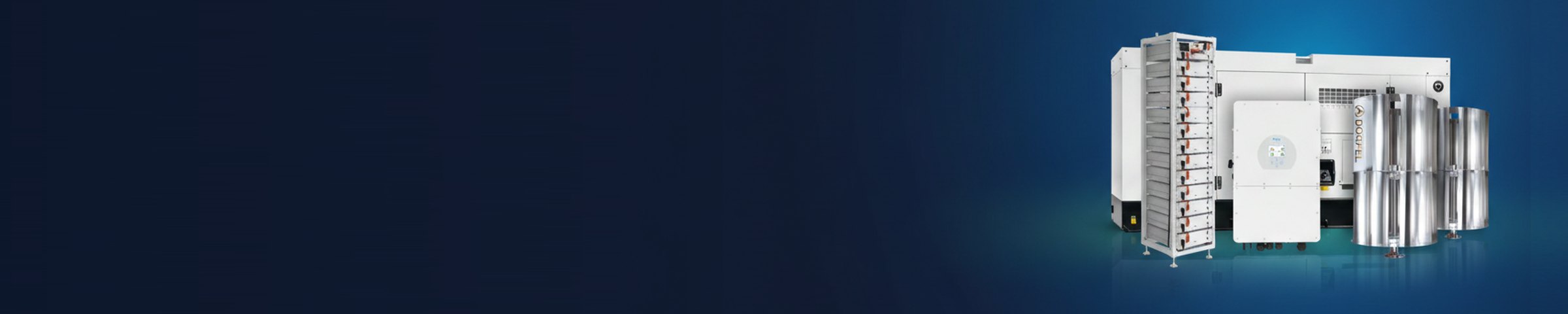
Renewable energy equipment for homes in Lithuania
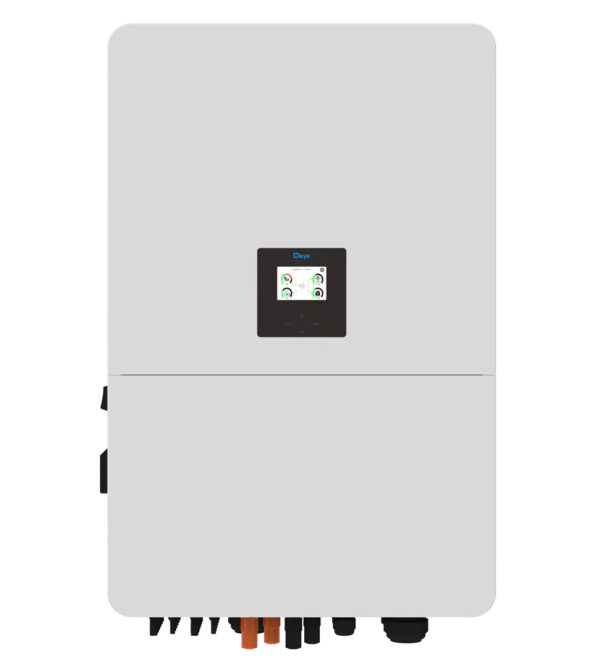
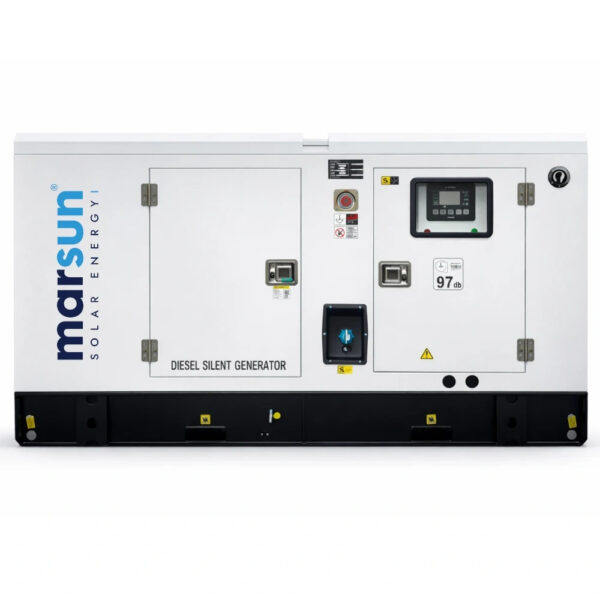
Hybrid and grid inverters, vertical wind turbines, diesel generators with automatic start, lithium batteries and heat pumps. We do not sell solar panels — but if you are buying modules elsewhere, we will help you match an inverter and a battery to them. We deliver within Lithuania in 14 days — free. Product pages and checkout are in Lithuanian; ask us and we will walk you through anything in English.


Shop by Category
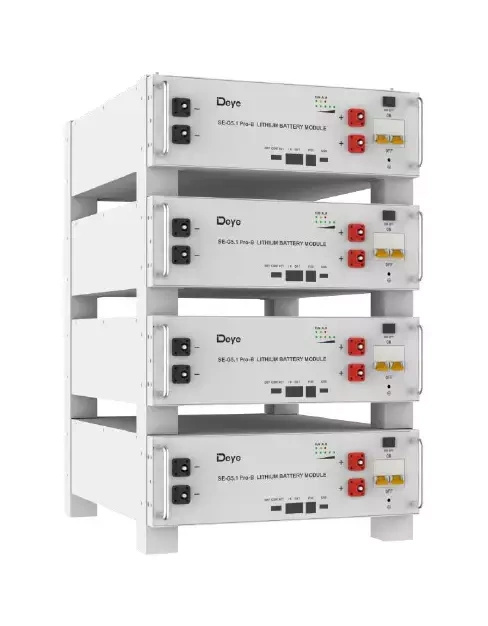
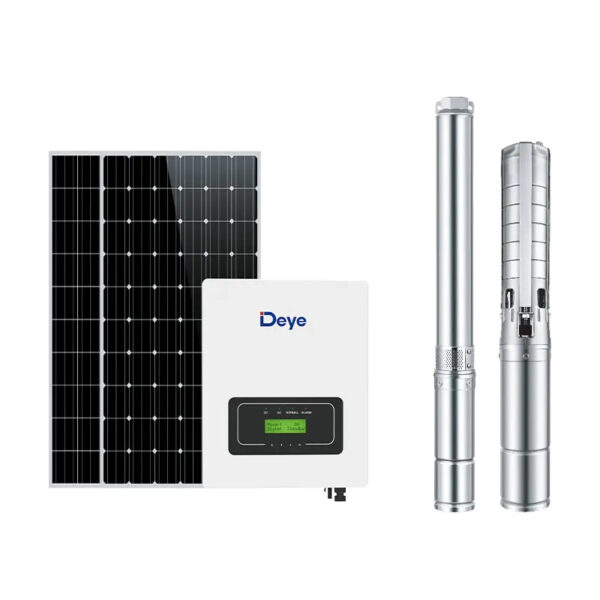
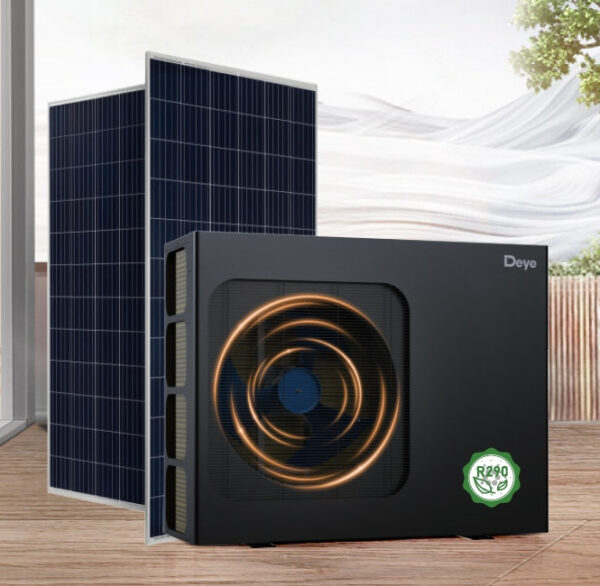
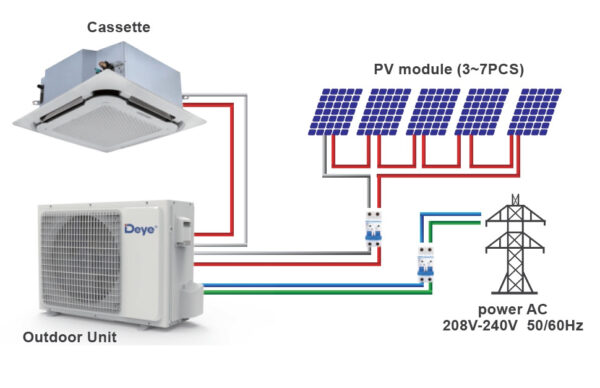
Best-Selling Products
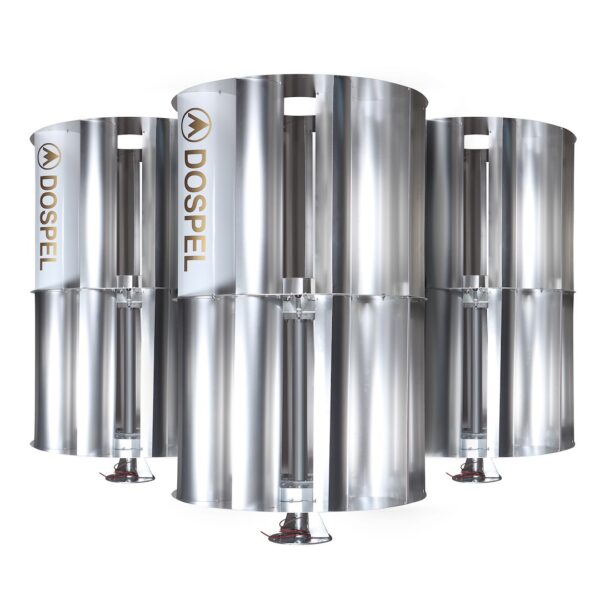
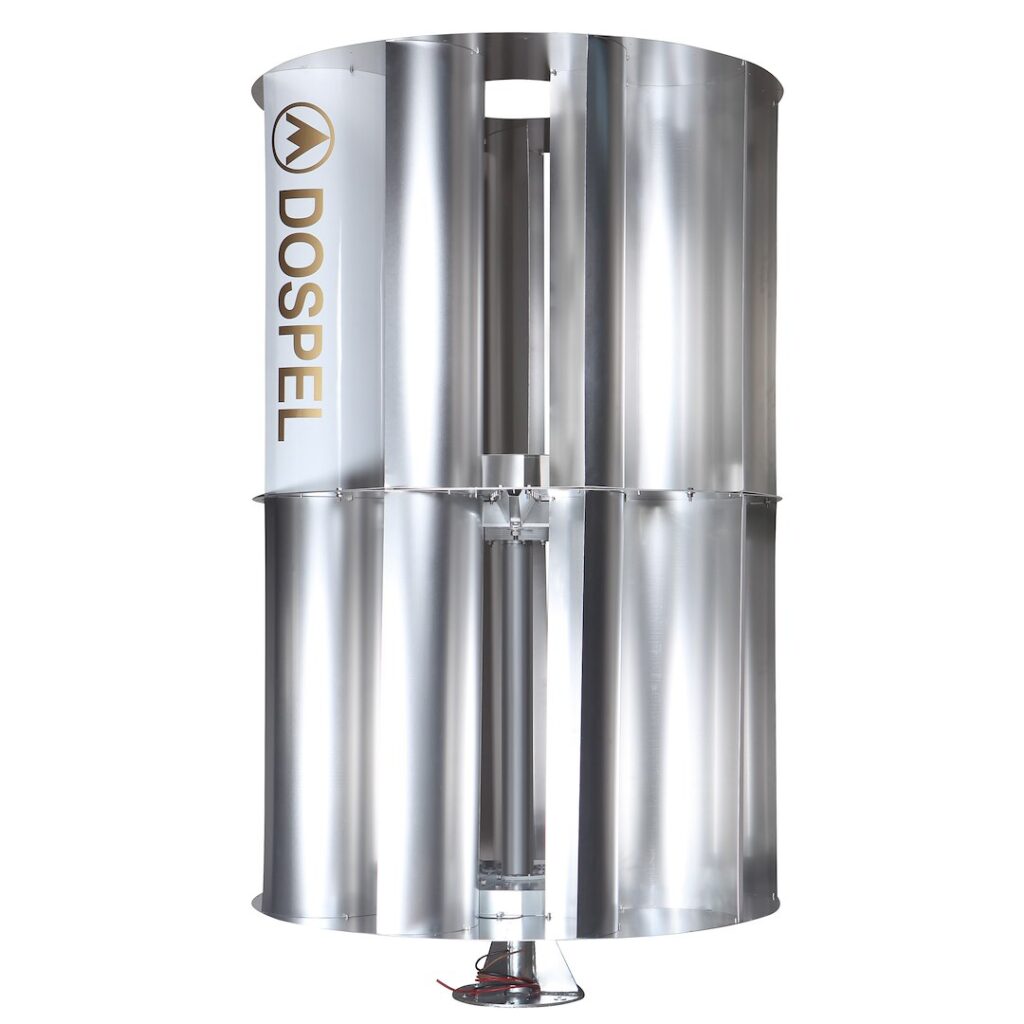
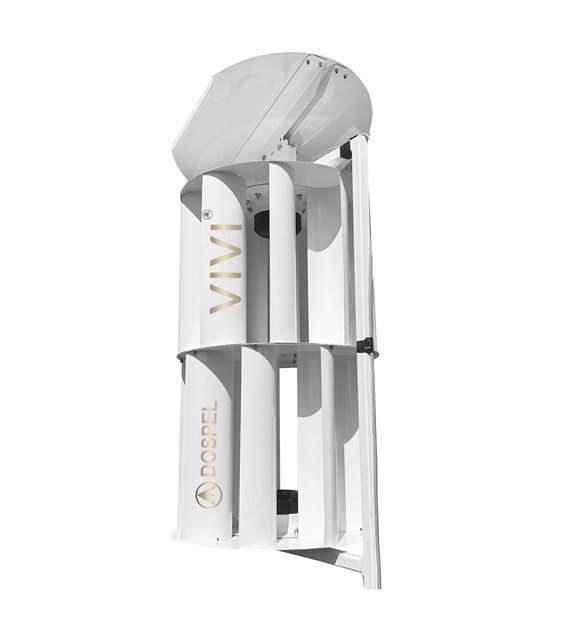
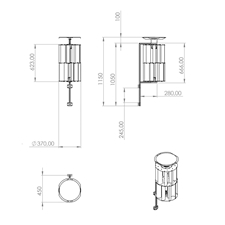
DOSPEL DRAGON — Vertical Wind Turbines
We are the official DOSPEL DRAGON representative in Lithuania. The vertical axis copes better with gusty, direction-changing wind, so it suits less open sites too. No building permit is required up to 30 kW.
Newly Arrived Products

How to choose the right equipment
 Infrared Heating: How Much Power You Need and What an Hour Costs
A €299 panel and a €2,249 diesel EMLO are not competitors. How to tell which of the three…
Infrared Heating: How Much Power You Need and What an Hour Costs
A €299 panel and a €2,249 diesel EMLO are not competitors. How to tell which of the three…
 Backup Power When the Grid Goes Down: Generator, Battery or Hybrid Inverter?
Short answer: a generator gives you fuel-powered backup for as long as you can keep refuelling it. A…
Backup Power When the Grid Goes Down: Generator, Battery or Hybrid Inverter?
Short answer: a generator gives you fuel-powered backup for as long as you can keep refuelling it. A…
 How to Choose a Solar Power System for Your Home
You size a solar power system around your home’s annual electricity consumption: as a rough rule of thumb,…
How to Choose a Solar Power System for Your Home
You size a solar power system around your home’s annual electricity consumption: as a rough rule of thumb,…
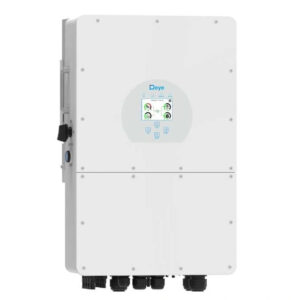 Hybrid vs Grid-Tie Inverter — Which Should You Choose?
A grid-tie inverter suits you if you’re not planning a battery and are happy exporting surplus energy to…
Hybrid vs Grid-Tie Inverter — Which Should You Choose?
A grid-tie inverter suits you if you’re not planning a battery and are happy exporting surplus energy to…
What are you missing? Answer two questions
The most common question in our inbox is “I have solar panels but no inverter — which one do I take?”. Tick what you already have and what you want, and we will show what is missing.
What do you already have?
We do not sell solar panels, which is why they are not on the list — but we will match an inverter and storage to the panels you have.
What do you want?
Answer both questions and we will show the result.
A system has three parts: generation (solar panels or a wind turbine), the inverter — its heart, converting the current into what the house needs and managing the whole system, and storage, if you need power when there is no sun and no grid. You do not have to start with everything at once: the inverter is chosen so the rest can be added later.
What you are missing
Not sure? Our consultants will help you choose — tell us what you have and what you want to power.
What generator size do you need
Tick what has to keep working when the power goes out. We will show what size generator you need, including the margin for motors starting up.
Essentials
Water and heating
Kitchen and laundry
Yard and workshop
The recommendation includes a 20% margin: a generator running constantly at its limit wears out sooner.
Up to 3 kW and for a few hours a day, an inverter with a battery is often cheaper and quieter — no fuel, no noise, works indoors.
For homesteads and farms: a wind turbine generates in winter, when there is almost no sun — so the generator has to be started less often.
What if a hybrid system instead of a generator?
Calculated from the appliances you ticked: the inverter has to withstand the starting peak, and the battery has to hold the continuous power for the chosen time. In practice a margin is left, because a battery is not discharged to zero — we help pick the exact capacity.
Tick at least one appliance.
The figures are typical estimates. Check the rating plate on your own appliance — it may differ. For three-phase and heavy motor loads write to us and we will check it with you.
A generator, solar and a battery can work as one system
The most common question we get is whether a generator can be combined with a solar system. It can — and it often works out cheaper than buying everything separately.
Can a generator be connected to a solar system?
Yes. Hybrid inverters have a dedicated generator port — the Solis S6 series, for example, lists an independent generator port, and on some models it comes with automatic start and stop control. In practice that means when there is not enough sun and the battery runs low, the generator starts by itself, charges the battery, powers the house and then shuts down.
I have a 10 kW connection — does that mean I need 10 kW of solar?
No. Your connection rating limits how much power you may draw from the grid or feed back into it, but it says nothing about the size of system you need. That is determined by your annual consumption in kilowatt-hours, your roof area and its orientation, and whether you plan to export the surplus.
Hybrid inverter or a standard one?
You need a hybrid if you want a battery or power during an outage. A standard grid inverter costs less but works without a battery: when supply is cut the house goes dark, even if the sun is shining. If backup is what matters, look at hybrid inverters.
Do I need batteries, and what capacity?
It depends on what you want to run in the evening and how long you need to hold out without the grid. Capacity is chosen from your evening and night consumption, not from the size of the solar array — which is why systems of the same size take different batteries.
Not sure what fits your case? Our consultants will help you choose — tell us what you want to power and what connection you have, and we will propose a solution without surplus equipment.
The Complete Solution — From Consultation to Delivery
We assess what you actually need and recommend a system with the right output — no oversized equipment, no overpaying.
We sell equipment from trusted manufacturers (Deye, DOSPEL, Marsun) that’s CE-compliant and backed by a manufacturer warranty.
We advise on installation and connection, and answer your questions throughout the equipment’s working life.
We Work With Trusted Manufacturers