


Tinklaraštis
Advice on choosing equipment: power, compatibility, subsidies and running costs.
APVA Support 2026: What’s Changing and What to Know Before Buying Equipment

What APVA support is available in 2026?
In 2026, APVA (Environmental Project Management Agency, Aplinkos projektų valdymo agentūra) continues to administer support for households installing solar systems, heat pumps, or energy storage systems, though the conditions and amounts change every year. The biggest change: support for rooftop solar systems has dropped from €255/kW to €170/kW, and the maximum supported capacity is now capped at 7 kW. Always check the exact, currently valid amounts and conditions on the official APVA website before submitting an application; this article gives general guidance, not a final, guaranteed figure.
Who the 2026 APVA support is for
- Individuals installing their own rooftop or ground-mounted solar system for their home.
- Households switching their heating system to a heat pump, either alongside a solar system or on its own.
- Households wanting to add an energy storage battery to an existing or new solar system.
Specific requirements, such as declared residence, ownership, and any support received previously, can change from year to year, so always check your eligibility on the APVA website before planning your budget.
What changed in 2026: rooftop solar systems
The most significant change in the sector for 2026: support for rooftop solar systems has dropped from €255/kW to €170/kW, and the supported capacity is capped at 7 kW. In practice, this means the support per installed kW is lower than before, and systems larger than 7 kW only receive support up to that cap, not for their full capacity. Since we don’t sell solar modules ourselves, the system design and support application are usually handled by your chosen installation contractor; we, meanwhile, supply the control and storage side of the system: the inverter and, if needed, a storage battery.
Heat pumps and energy storage: what’s supported
Besides solar systems, APVA measures also cover replacing heat pumps, most often to phase out an old fossil-fuel or direct electric heating system, as well as energy storage solutions for households. The exact conditions, supported amounts, and requirements for each measure are approved separately and can change during the year, so always check the current version of the APVA measure description in force at the time before you buy; don’t rely on last year’s figures or amounts you’ve heard from a third-party source.
How the application process works: typical steps
- Check your eligibility and the current conditions on the APVA website or through the APVA information center.
- Agree on the equipment with your contractor or supplier: the system’s capacity and components (inverter, battery, heat pump).
- Submit the application and the required documents (invoices, project design, ownership documents) through the system specified by APVA; whether this happens before or after buying the equipment depends on the specific measure’s rules.
- Wait for the APVA decision, and once you have it, install and connect the system according to the approved requirements.
- Submit installation confirmation documents so the support can be paid out.
The order of steps and the deadlines depend on the specific 2026 version of the measure. Always check the exact procedure on the APVA website before you start buying; this list is general guidance, not an official instruction.
Common mistakes applicants make
- Planning the system around last year’s support amounts instead of the current 2026 ones, which throws off the budget and payback calculations.
- Buying or installing equipment without first checking whether the application needs to be submitted before the purchase in that specific case.
- Overlooking the fact that the supported capacity is capped (for example, up to 7 kW for rooftop solar systems); a larger system only gets support up to that limit.
- Relying solely on what a contractor or seller says about the support, without verifying it against the official APVA source.
What Hybrid Energy offers in this context
We don’t sell solar modules, so you won’t get a turnkey solar system from us; that’s handled by your chosen installation contractor. We supply the system components that often need to be bought or upgraded alongside an APVA-supported investment: heat pumps, energy storage batteries and inverters for the solar system. We’ll give you a free consultation on the specific model before you buy.
Which one to choose: quick summary
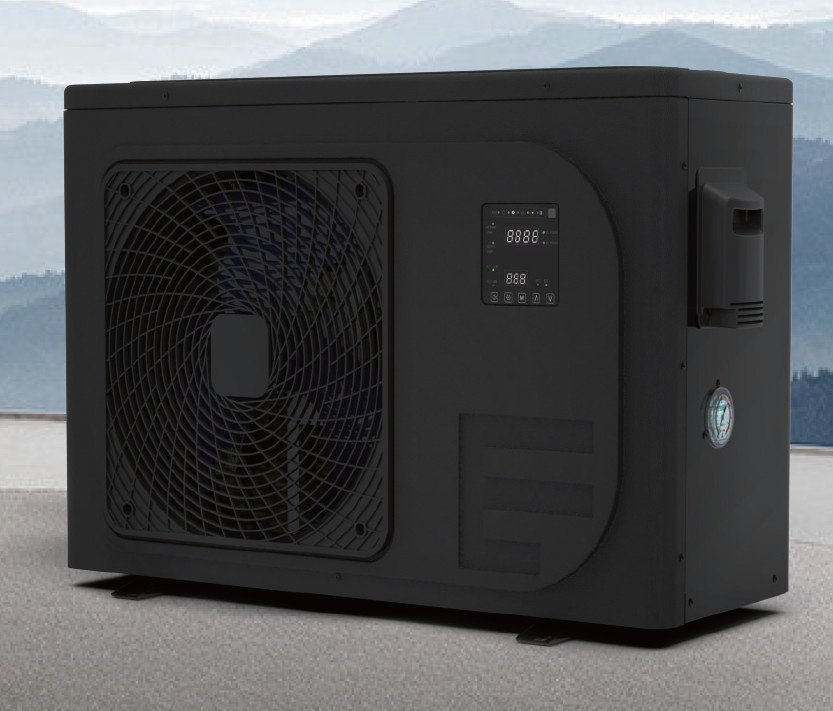
- Replacing old heating with a heat pump. Deye Solar Heat Pump 10 kW — 3 899 €. A reasonable starting point for a mid-sized home; if your heated area is larger, look at the 12 kW version for 4 099 € or the 14 kW for 4 449 €.
- Storing your solar system’s energy. Choosing a storage battery depends on your system voltage and inverter, so we won’t suggest a specific model up front — you’ll find the full current lineup in the energy storage battery category. If you also need a rack, we have a 3U-LRACK 19″ rack for 8 batteries for €363.
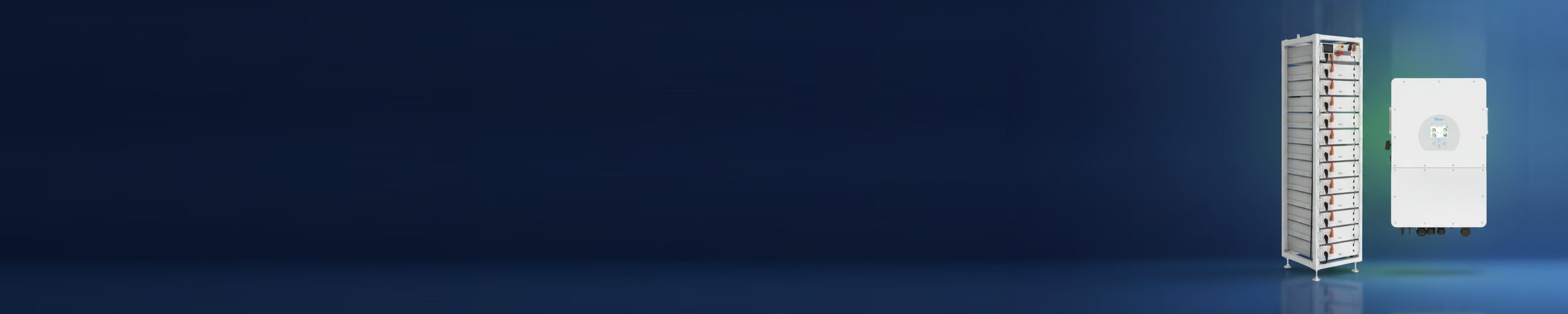
- Building or upgrading the control side of your solar system. Deye SUN-5K-SG05LP1-EU-AM2-PLUS hybrid inverter — 999 €, or the Deye SUN-6K-SG05LP1 for 999 €. A hybrid inverter is needed when a storage battery is also connected to the system.
- A grid-tied system only, no storage. Deye SUN-6K-G06P3-EU-BM2-P1 three-phase grid-tied inverter 6 kW — 599 €. A simpler, cheaper solution if you’re not planning a battery.
An important clarification about support. We are not APVA and we don’t review applications, so we can’t promise that a specific model from our catalog will make it onto the list of supported equipment — measure conditions, equipment requirements, and amounts change, and the decision is made by APVA, not the seller. The equipment listed above simply falls into the categories APVA measures typically cover: heat pumps, energy storage, and solar system inverters. As a reminder, we don’t sell solar modules — those and their installation are handled by your contractor. So the correct order is: first check the current conditions on the APVA website, then agree on the specific models, and only then buy. Prices are valid as of the article’s publication date.
Why buy from us: we’re not VAT payers, so the price shown in the catalog is final — no VAT is added on top. Delivery across Lithuania is free, within 14 days. Returns are accepted within 14 days, and we cover the return shipping. All equipment carries the manufacturer’s warranty and CE compliance. And the consultation on choosing the right capacity before you buy is free: tell us about your home and what you’re planning, and we’ll go through together which model actually suits you, and which one isn’t worth buying.
FAQ
Is 2026 APVA support guaranteed for every applicant?
No. Support depends on the specific measure’s conditions, the available budget, and whether the applicant meets the requirements at the time the application is submitted — amounts and conditions can change during the year, so you must check the current information on the APVA website before planning a purchase.
Does Hybrid Energy sell solar modules with APVA support?
No, we don’t have solar modules in our catalog — we sell the equipment that controls a solar system and carries the energy further: inverters, energy storage batteries and heat pumps. Solar modules and their installation are provided by your chosen contractor.
Can I get support for both a heat pump and a storage battery together?
It depends on the specific 2026 measure’s conditions — some programs allow combining several investments, others assess them separately. Check the exact information on combination options on the APVA website before submitting your application.
Official source: always check the current support amounts, deadlines and conditions on the APVA website (apva.lrv.lt) — they change, and this article provides only general guidance.